Posted in

What Camera Should You Buy as a Beginner?

Photography Classes With Missy and Personalized Gear Recommendations

I teach private lessons every week and am asked this question often:

What camera and gear should I buy as I get started?

Below are some general recommendations, but if you would like personalized recommendations and even guidance as you shop, book some classes with me! My classes are private, one-on-one photography lessons designed for beginners and hobbyists. We cover camera settings, lighting, composition, how to work with your specific gear, and how to build confidence shooting with your specific goals in mind. My approach is to narrow down all of the things your camera to do into smaller pieces, such as go-to settings, that you can actually use every time you pick up your camera.

You can view upcoming dates and book your session directly through my class calendar.

Online Booking: www.missytimko.com/education
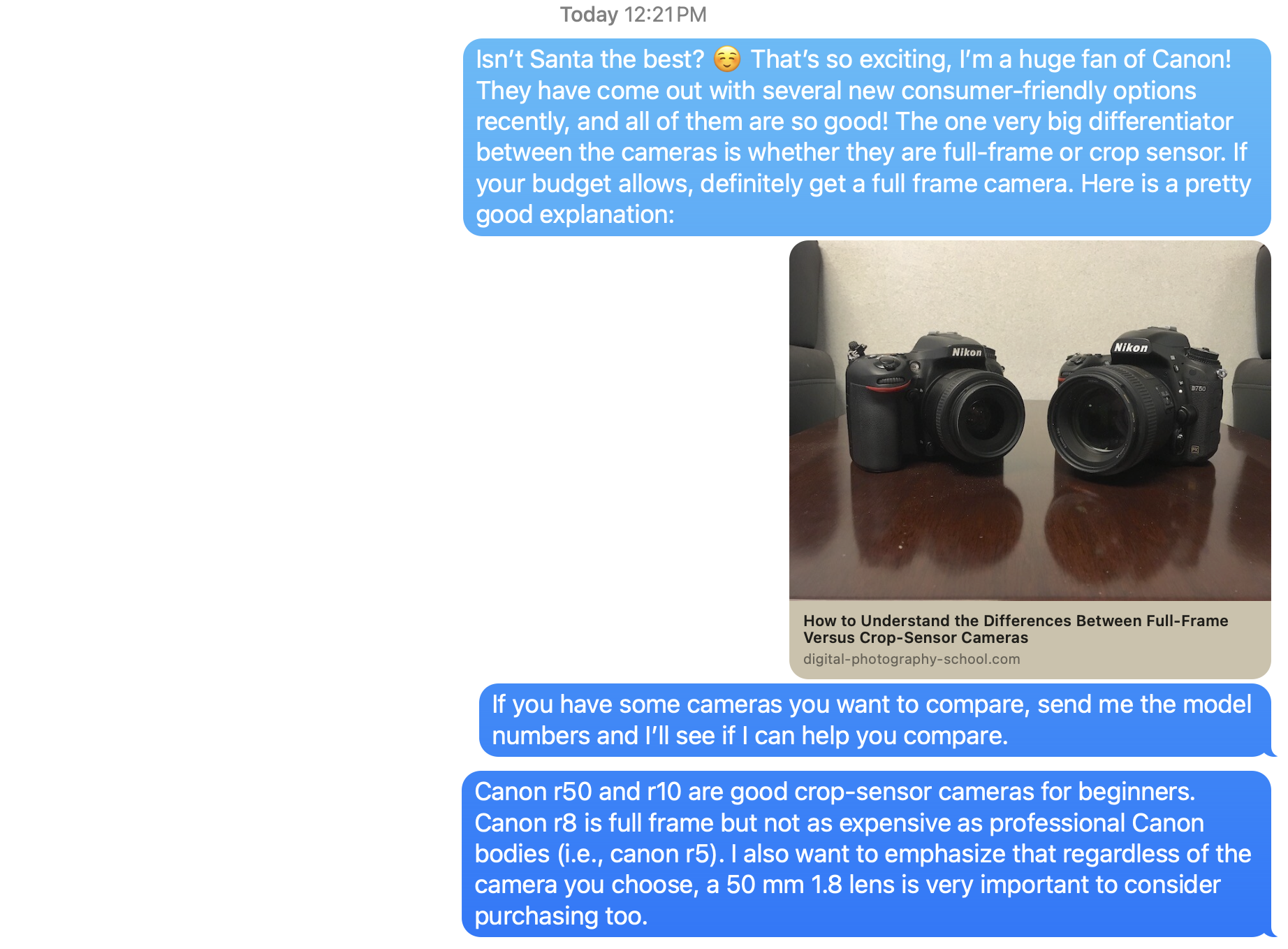

Photography gear recommendations in a text message to a student at Missy TImko Photography in Pittsburgh


A Practical Guide From a Working Photographer

When you’re brand new to photography, the gear should help you—never overwhelm you. As a studio photographer who focuses on natural, timeless, expressive images, I want beginners to start with something simple, reliable, and flexible enough to grow with them. The camera is a tool; the real magic comes from learning how to see light, understand composition, and practice consistently.

Below are three excellent Canon mirrorless options I recommend to my own beginner students. They’re straightforward to use, budget-friendly, and offer a clear path for growth. Please note that there are other brands like Nikon and Sony that offer outstanding cameras for beginners as well. But once you get familiar with one brand’s system, it’s not always easy to make a change in the future. I am a Canon girl and have been using Canon gear since I started learning photography in 8th grade, so that is the brand I know through and through and recommend to my students.
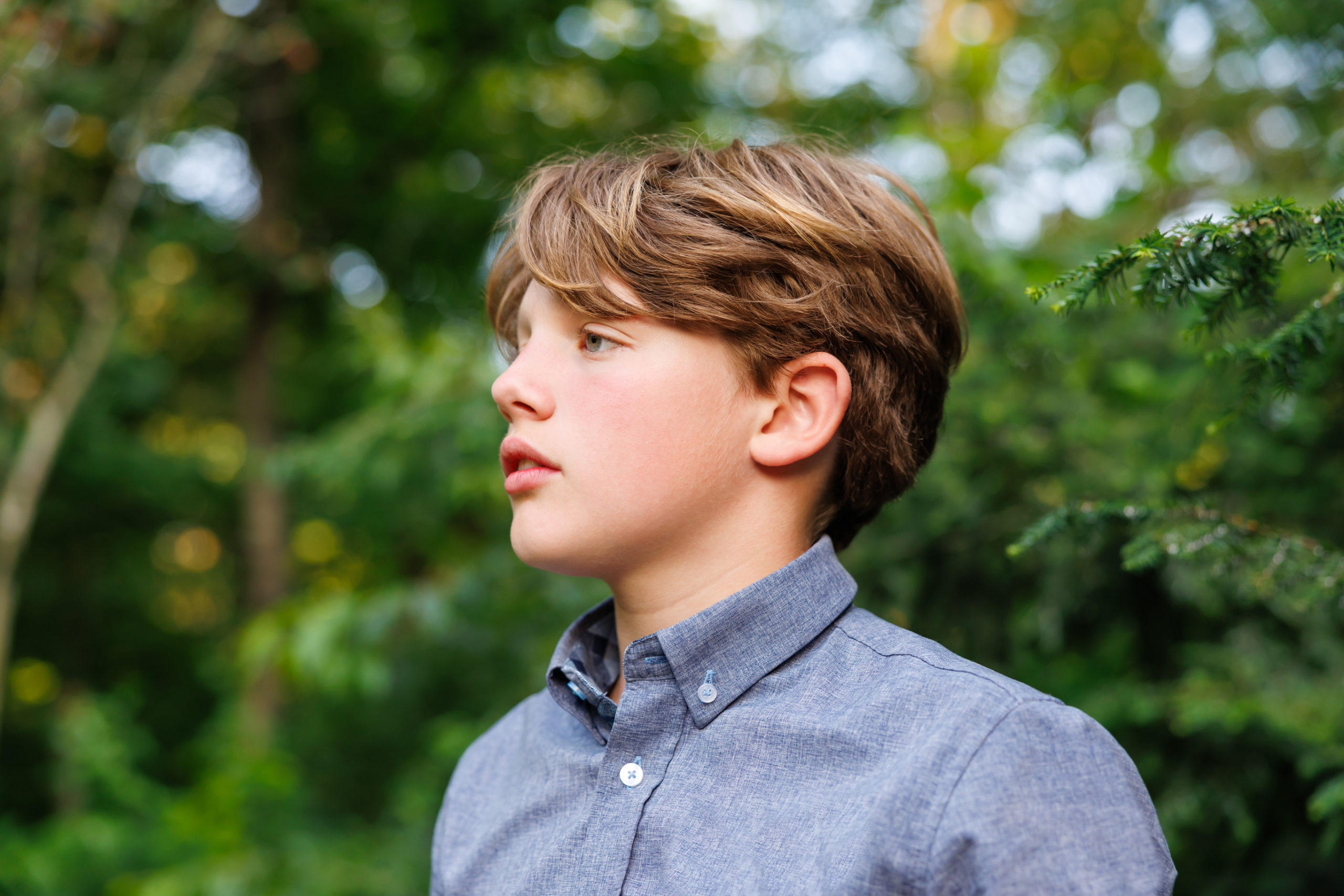
photo with blurry background
I shot this photo at f/2.8 using my Canon R5 camera and 28-70mm F2 Canon lens

Recommended Canon Mirrorless Cameras for Beginners

First, an important piece of advice: Don’t invest a lot in “kit” lenses. Beginner-level cameras are almost always packaged with an 18-55 and possibly a 75-300 mm lens as a package deal that you can buy at places like Costco, Best Buy, or Amazon.  The one-lens kits with an  18-55 lens (or similar) may come in handy sometimes, especially if you decide on a crop sensor camera, but I would generally not recommend getting a two-lens kit with the telephoto lens. It’s not very light-sensitive, meaning that if you plan to take photos of something far away, like your kids playing sports indoors, it will be tough to get anything worthwhile. Kit lenses are okay, but they generally are not very effective at shooting with a shallow depth of field. This means that the foreground and background will be more in focus, rather than those lovely, soft backgrounds with “bokeh” that you might be looking for. And lastly, the resale value on these lenses is extremely low because there are so many of them floating around out there and not as many people looking to buy one. Make sure to allow room in your budget to buy a prime lens (fixed focal length, no zoom), like a 50 mm 1.8 or 35 mm 1.8 lens.
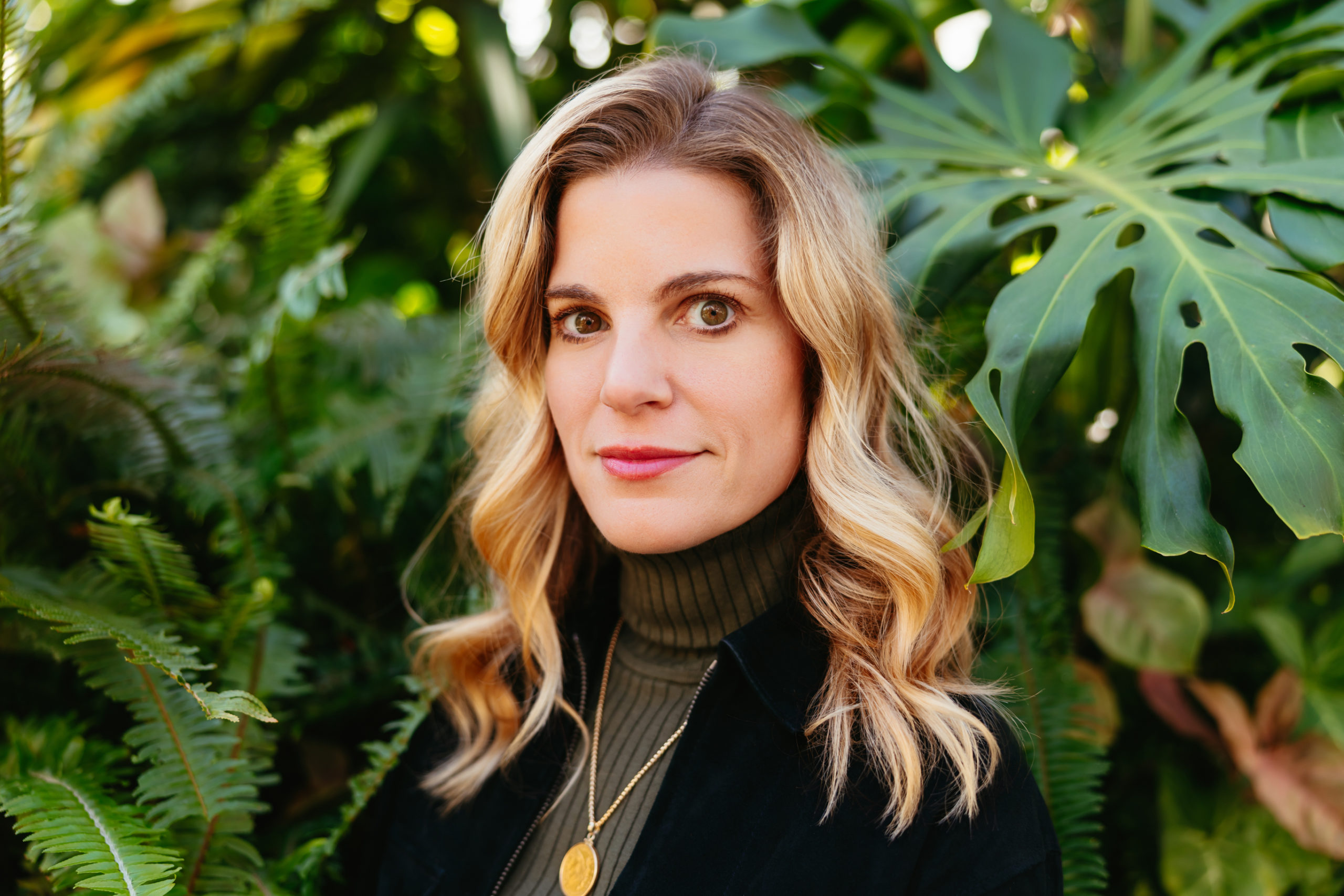
headshot of a blonde woman with with palm and fern leaves
I shot this photo at f/2.0 using my Canon R5 camera and 28-70mm F2 Canon lens

Canon EOS R50

The most approachable and budget-friendly option. Lightweight, intuitive, and perfect for someone who wants to dive in without a major investment. Excellent for everyday family photos, travel, and early learning.

Canon EOS R10

A step up in build, speed, and control. Better ergonomics and more room for growth, making it ideal for someone who knows they’ll stick with photography and wants a body that can handle more advanced shooting as they progress.

Canon EOS R8

Full-frame, excellent image quality, and still relatively beginner-friendly. This is the best match for a beginner who already knows they want to take photography seriously and wants the strongest foundation possible.

studio image with simple grey backdrop
I shot this photo at f/5.6 using my Canon R5 camera and 28-70mm F2 Canon lens. I usually stop down for studio shoots since I have as much light as I want, sharp focus is a primary concern, and blurring the background is not a factor.

Which One Should a Beginner Choose?

R50: Choose this if you want something simple, easy to learn, affordable, and lightweight. It gets out of the way so you can focus on learning the basics.

R10: Choose this if you want more control over settings, a more solid grip, better autofocus, and a camera you’re less likely to outgrow within the first couple of years.

R8: Choose this if you want full-frame image quality and know you’re committed to photography long-term. It offers the best performance but requires a higher budget for both the body and lenses.


Questions Beginners Should Consider Before Buying

  • What do you want to photograph most often?
  • How much weight are you comfortable carrying?
  • Are you planning to print large or mostly share images online?
  • Do you want manual control sooner rather than later?
  • What is your total budget for camera, lenses, cards, and accessories?
  • Are you someone who learns best with a simple start or a more advanced tool?

These questions help determine whether someone should stick with an entry-level option or invest in a body with more long-term flexibility.

young baby smiling as she lays on her mom's shoulder
I shot this photo at f/2.2 using my Canon R5 camera and 28-70mm F2 Canon lens

What Beginners Actually Need

Beginners do not need extreme specs or pro-level features. They need:

  • A camera that feels comfortable to hold
  • Simple menus and controls
  • Reliable autofocus
  • A lens that performs well in everyday light
  • A setup that encourages practice rather than frustration

And above all: a good lens matters more than a pro camera body. A solid 1.8 prime lens will make a bigger difference than jumping to an ultra-high-end camera.


Final Thoughts

Choosing a first camera shouldn’t be stressful. For most beginners, the Canon R50 or R10 is the perfect starting point: simple, dependable, and capable of producing beautiful photographs. If you know you want the best image quality and long-term room to grow, the Canon R8 offers a strong full-frame foundation.

Check out my website for more information on my classes, including online booking: www.missytimko.com/education
Posted in

Camera Gift Picks for New Photographers – Missy’s Good, Better, and Best Picks

The holiday season is upon us, and I get asked every year which cameras are ideal for gifting. I pretty much universally recommend the Canon Rebel series, but this year I am making a change in my recommendation for the first time… ever!

The future of digital photography is in mirrorless cameras, and things have been headed in this direction for quite some time now on the professional level. In the past 1-2 years, there have been several new releases at the hobbyist (crop sensor/affordable) level, including a couple of options from Canon that I can recommend for a beginner. Mirrorless cameras are going to be more expensive, even at the “prosumer” level, but I think it’s worthwhile unless you are really uncertain how committed you are to learning photography.

Mirrrorless cameras have a few significant changes from your traditional DSLR: they incorporate features and technology that you will not see in a regular DSLR (particularly when it comes to focusing technique), there is a learning curve when coming from a traditional DSLR, and mirrorless camera bodies require a new lens mount, meaning your older lenses will work with your new mirrorless camera only with an adapter.

So, it makes sense to start your photography journey with a mirrorless camera since there are different controls and features, and most importantly, any lenses you purchase will be relatively future-proof.

My Picks for Cameras:

  • Good: Entry-level crop-sensor DSLR with EF kit lens (18-35 mm), such as the Canon Rebel T7 or T8i. Skip the two-lens kit with the telephoto lens and save up for a 50 mm 1.8 lens instead. Canon Rebel
  • Better: Mirrorless crop-sensor DSLR, such as the NEW Canon R10 with 24-105 f/4 RF lens and/or 50 mm 1.8 RF lens. Canon R10, my TOP PICK
  • Best: Full-frame mirrorless, such as the Canon EOS R6 with 24-105 f/4 RF lens and/or 50 mm 1.8 RF lens. The semi-pro option, Canon R6. (On a budget but want a full-frame mirrorless camera? Check out Canon RP.)

Companion gifts for giving with a camera:

50 mm (or 35 mm) 1.8 lens, an essential lens for learning photography:

Missy Timko Class Series

Take classes with me to learn all about your new gear! Click here for all the details about my custom, private photography classes.


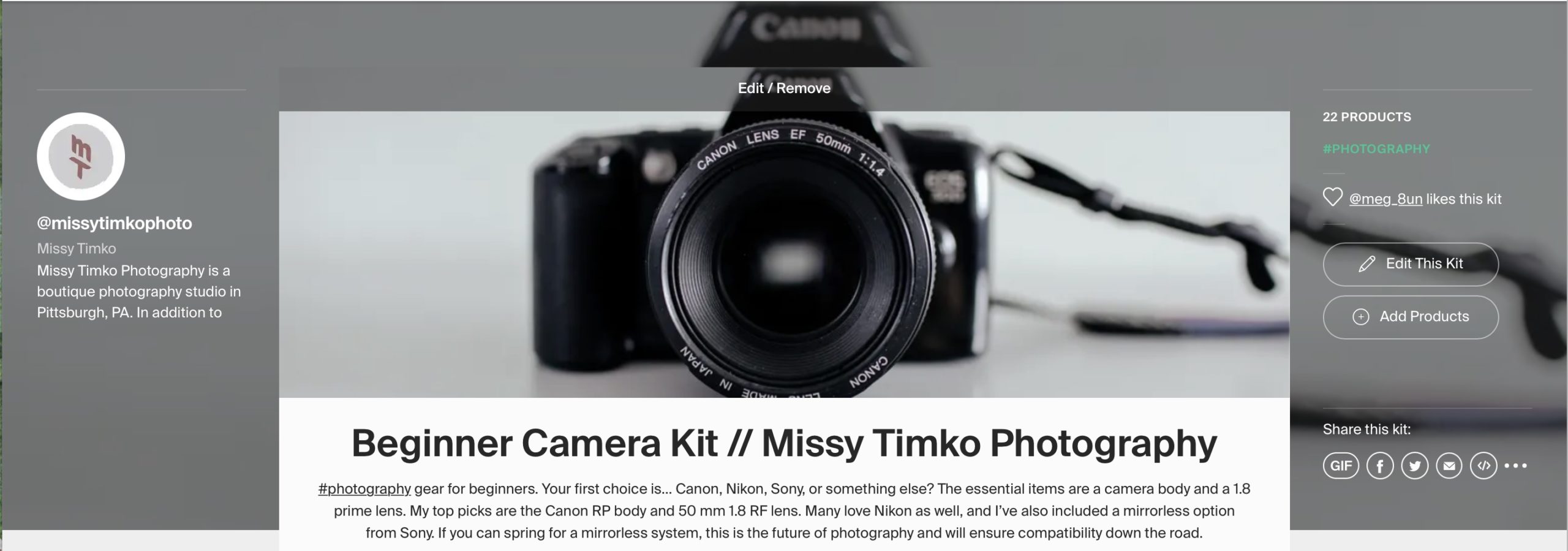
Click on the image below to see my full range of beginner picks:


Banner for Missy's kit.co camera recommendations

https://kit.co/missytimkophoto/beginner-camera-kit-missy-timko-photography


*This post contains affiliate links, so we may earn a small commission when you make a purchase through links on our site at no additional cost to you. We only recommend products we love.

Posted in

Pittsburgh Newborn Family Photographer | Artsy Couture Canvas Deconstruction & Review

There are a lot of choices when it comes to products for my clients.  I generally sell canvas or framed fine art wall portraits, as well as archival custom photo albums, and have shopped a number of products to find the very best in quality for my clients.

In a canvas printer I am looking for, above all, extremely high image quality–sharp image and accurate color tones.  I am very actively involved in assuring my colors and tones are accurate by using the X-rite “Passport” color checker when I am shooting and editing and a Spyder to calibrate my monitor.  I double-check compatibility with each of the vendors that I work with to make sure I will get consistent, accurate color in my products. For those of you unfamiliar with how this works, what I am talking about is making sure that the color and brightness settings on my monitor are set to look like what I will get from my print labs so that I don’t get skin tones that are too orange, green, dark, bright, etc.

Secondly I am looking for solid, archival construction.  I want my canvas wrapped around wood with quality hanging hardware and bumpers.  NO CARDBOARD.  Just no.

I was using a canvas printer that I liked very much for a few years when I suddenly started having color issues back in October 2013.  I had been hearing so much about Artsy Couture, and their prices were less than my printer at the time, so I tried them out.  What I received from them was what appeared to be a well constructed, solid canvas, but the colors were way off–super orange.  Their customer service was amazing–friendly & prompt–and they sent out a new canvas that was better but still not the color & sharpness I am seeing from the pro labs I usually work with. I ended up taking a loss on that order and paying to have my client’s order printed at another lab (the one I am currently using).

I went to the Artsy booth at Imaging USA earlier this week and was very impressed with the quality of their products, their cute booth, and their friendly staff.  I was told that they were having short-lived color issues at the time of my order and that I should try again.  I was also told that the canvases are stretched around wood, which really surprised me because I figured it was some sort of super rigid cardboard given they cost a small fraction of the pro lab canvas wraps. Upon returning home I decided to dig up that old canvas–the one I received with color issues, and deconstruct it!  Here is what I found…

ure canvas deconstruction frame review
Yes, you could say these are the “tightest corners in the industry.” How do they accomplish this?


ure canvas deconstruction frame review
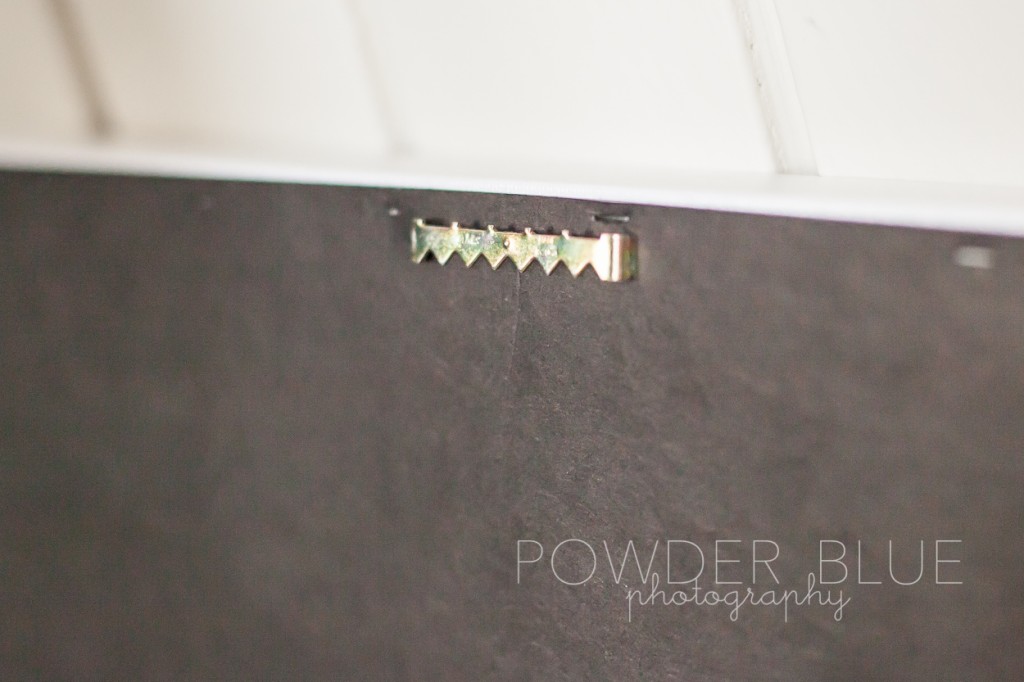
Sawtooth hanging hardware–not bad but I like a picture wire better.


ure canvas deconstruction frame review
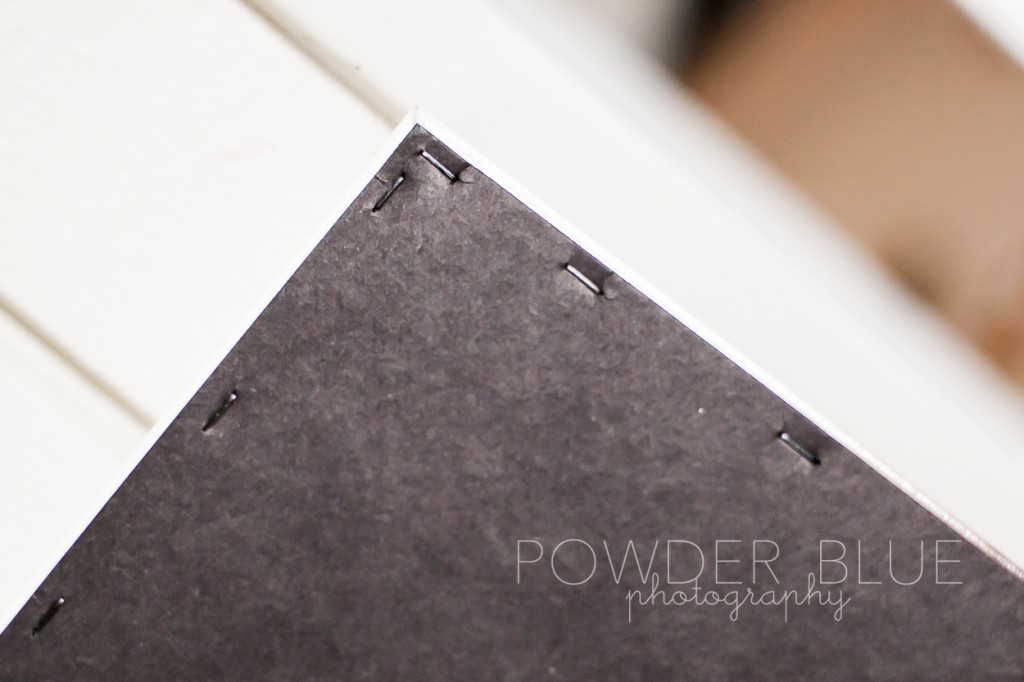
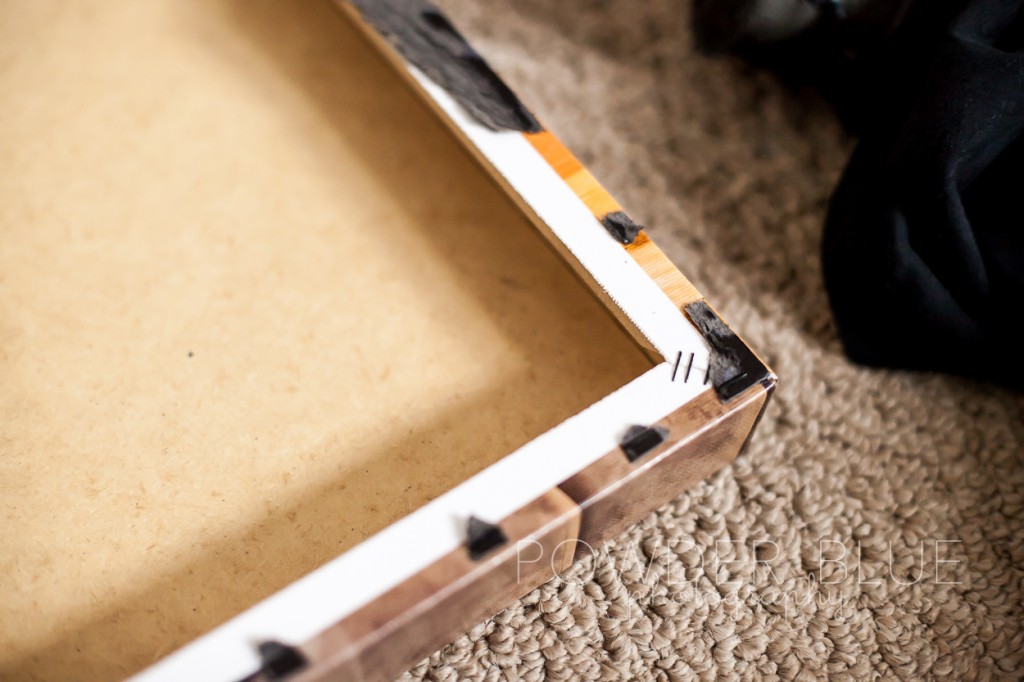
These are some serious staples. They are not going anywhere. In fact during the deconstruction process I stabbed a finger with one of these so if you see smudges on the canvas that’s my blood!


ure canvas deconstruction frame review
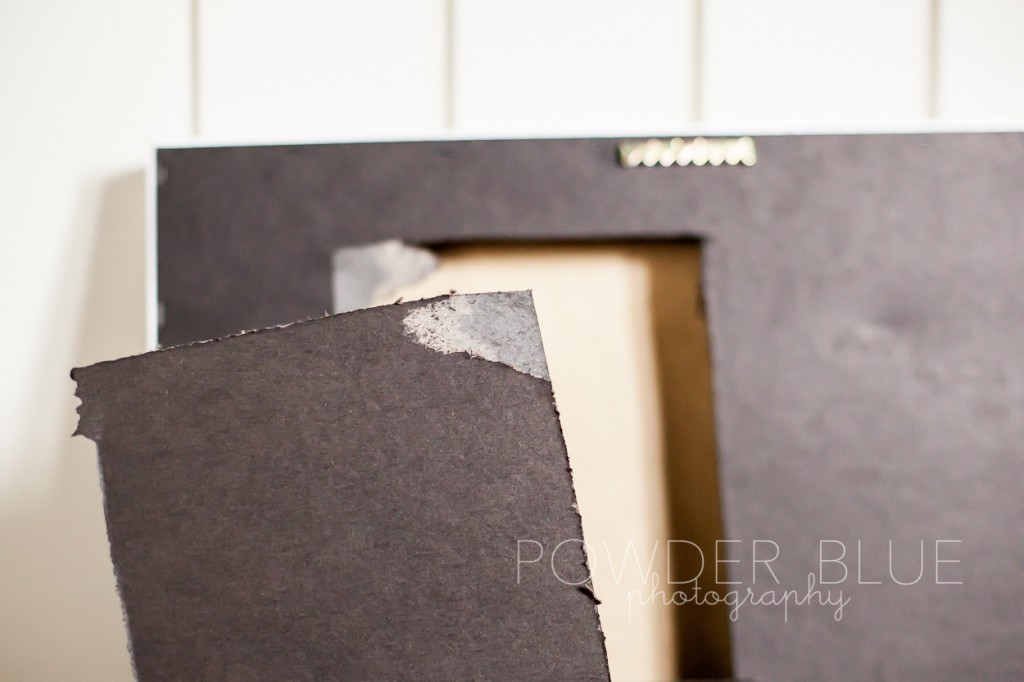
I cut a large in the backing, which is very thick black card stock… and what I saw was….


ure canvas deconstruction frame review
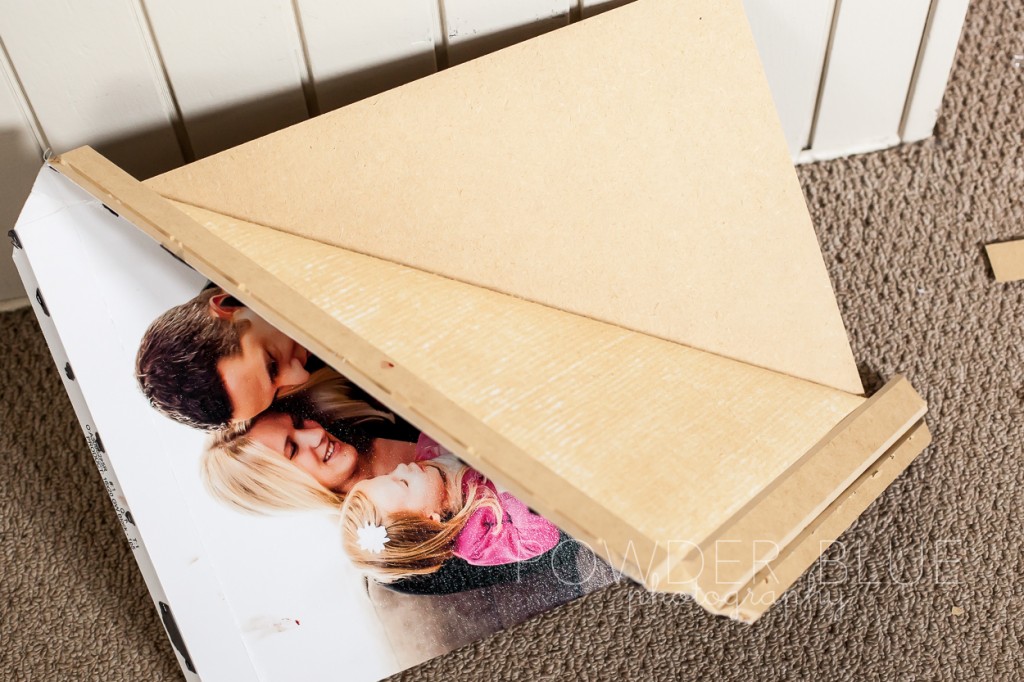
Masonite! These are not wrapped around wood, but Masonite panels


ure canvas deconstruction frame review
You can see how solid the corners are, these are seriously not going anywhere and took some effort to get apart.


ure canvas deconstruction frame review
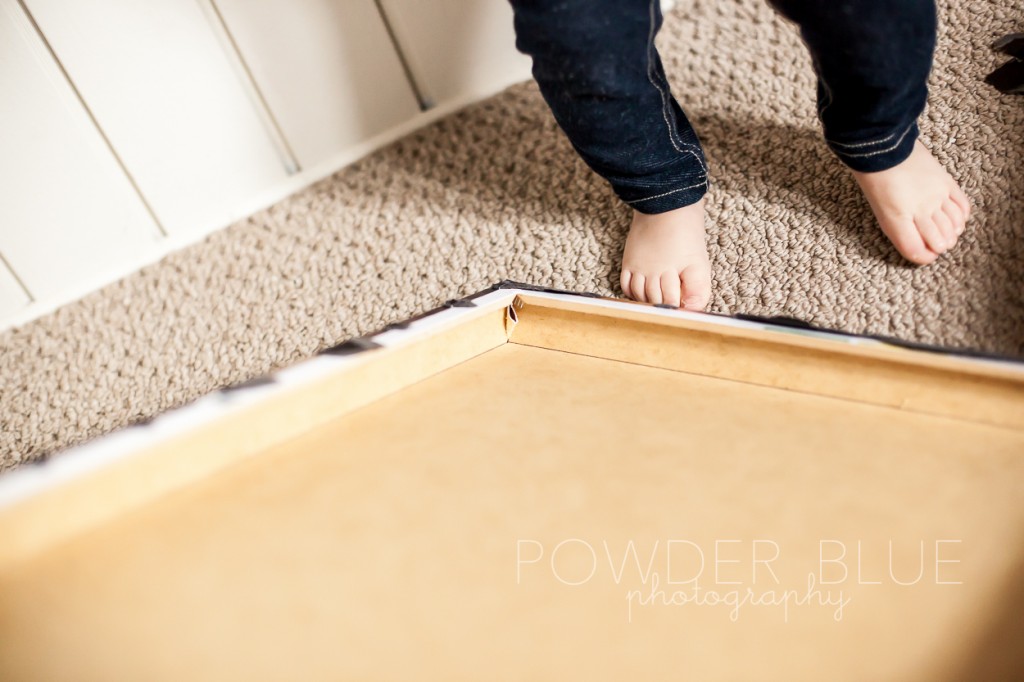
Here is my helper demonstrating how they get those tight corners–the canvas is actually pinched in between the Masonite that makes up the corners of the frame.


ure canvas deconstruction frame review
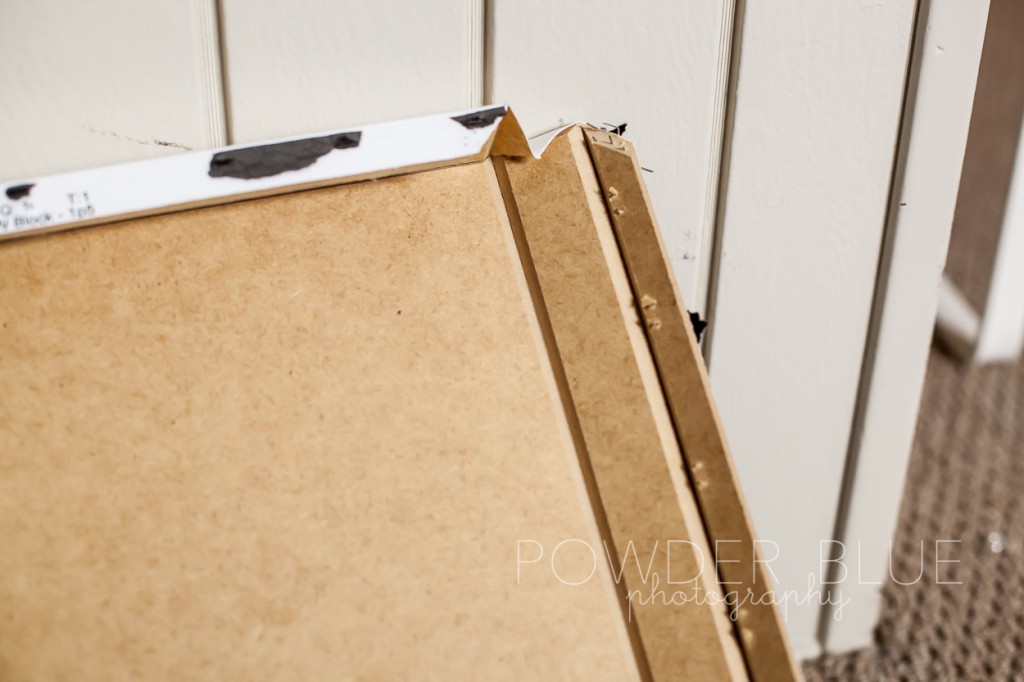
Again it took some serious effort to get the sides off. The interior is made up of beveled Masonite pieces that are very tightly stapled together.


ure canvas deconstruction frame review
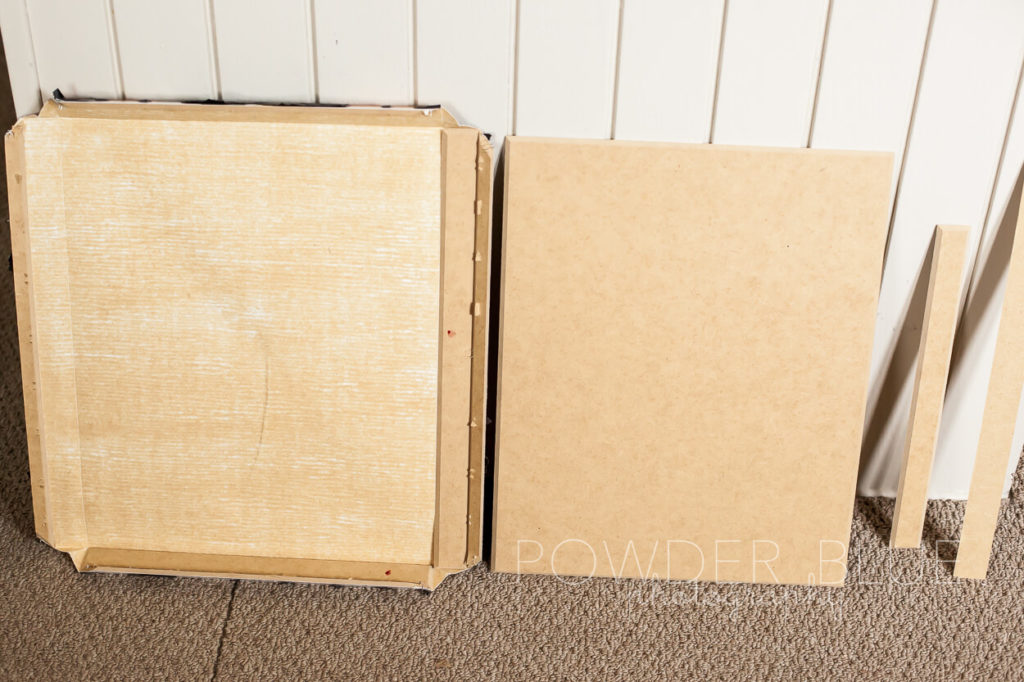
After I got the staples out, it basically lays flat because the masonite is glued on, probably with some sort of spray adhesive.


artsy couture canvas deconstruction frame review
I was able to peel off the canvas image from the Masonite panel but it was pretty well adhered, which means that these are not likely to warp over time.


artsy couure canvas deconstruction frame review
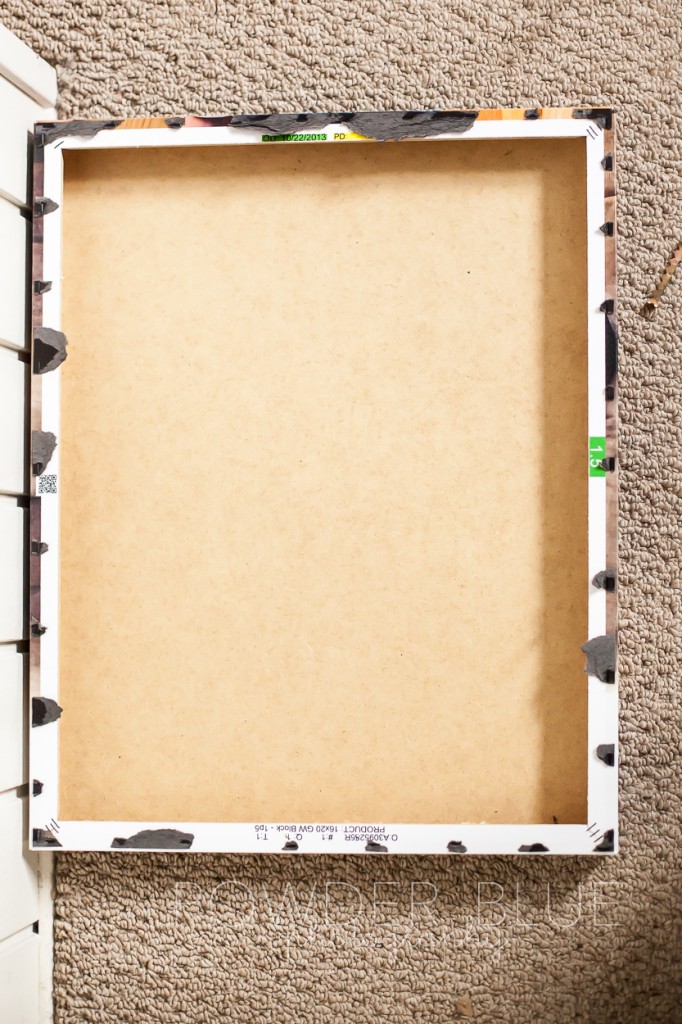
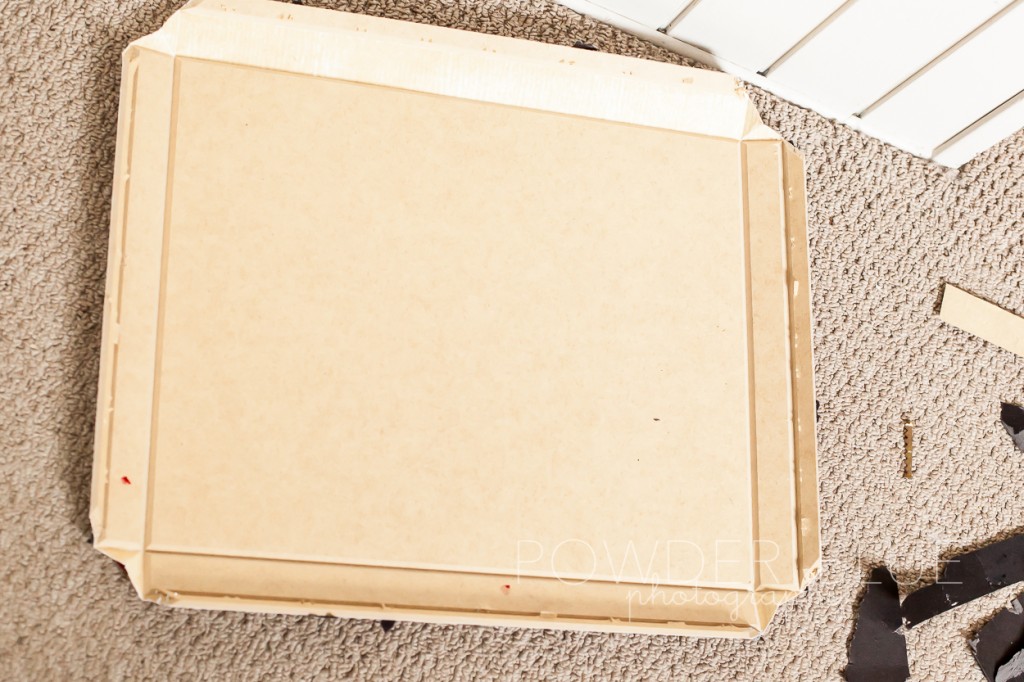
Here you can see the canvas peeled off and the Masonite pieces I removed from the sides.


ure canvas deconstruction frame review
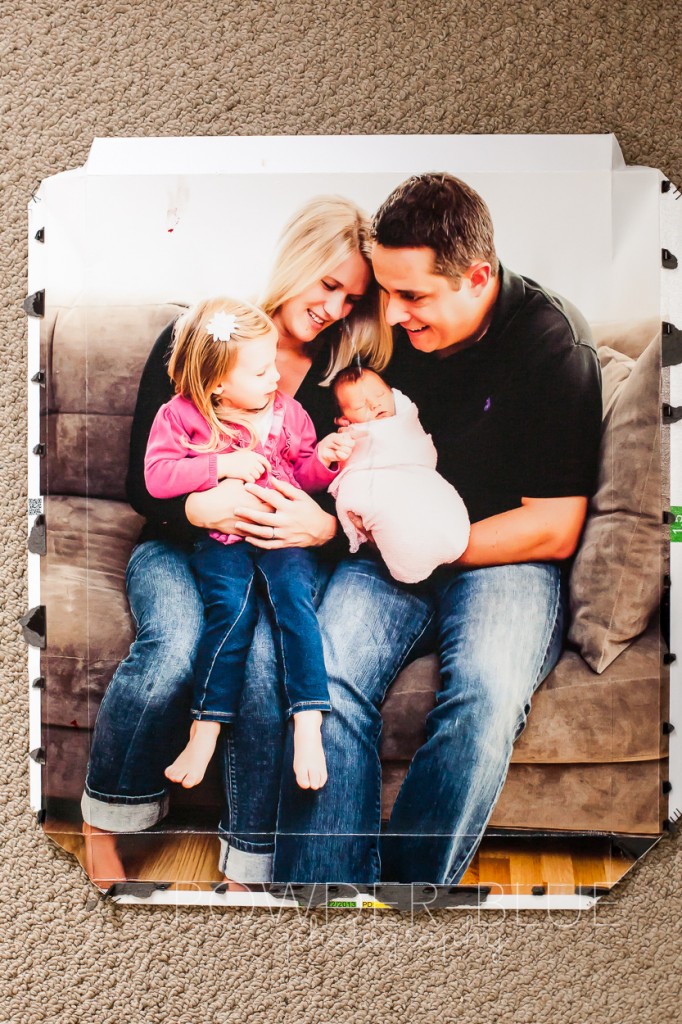
And here is the front of the canvas. The colors here are drastically different from the image I sent in (in their defense they did reprint this order for me), but otherwise I would give the image quality a B+.

My overall recommendation is that Artsy “Couture Canvas” is a good option for budget photographers or for consumers who are not willing to pay literally 3x the price at a pro lab.  I do intend to give them another shot for some personal projects and studio samples, but I do not feel confident fulfilling client orders until I am seeing consistent color.

***

Are you looking for a maternity, newborn, family, or baby photographer in Pittsburgh?  Powder Blue Photography offers in-home and studio portraits of newborn babies and maternity and on location family portraits in and around Pittsburgh, including the South Hills, McMurray, Peters Township, Canonsburg, Bridgeville, Upper St. Clair, South Fayette, Mt. Lebanon, Cecil Township, Squirrel Hill, Regent Square, and Shadyside areas.  Please contact Missy to schedule a maternity appointment and a tentative date for your newborn session.  Maternity sessions take place around 33-36 weeks, and newborn sessions take place in the first 10 days of life.  Family sessions take place anytime!